Beyond the Classroom: How One Junior Kindergarten Class at New Hope Christian Academy is Taking Learning to New Heights
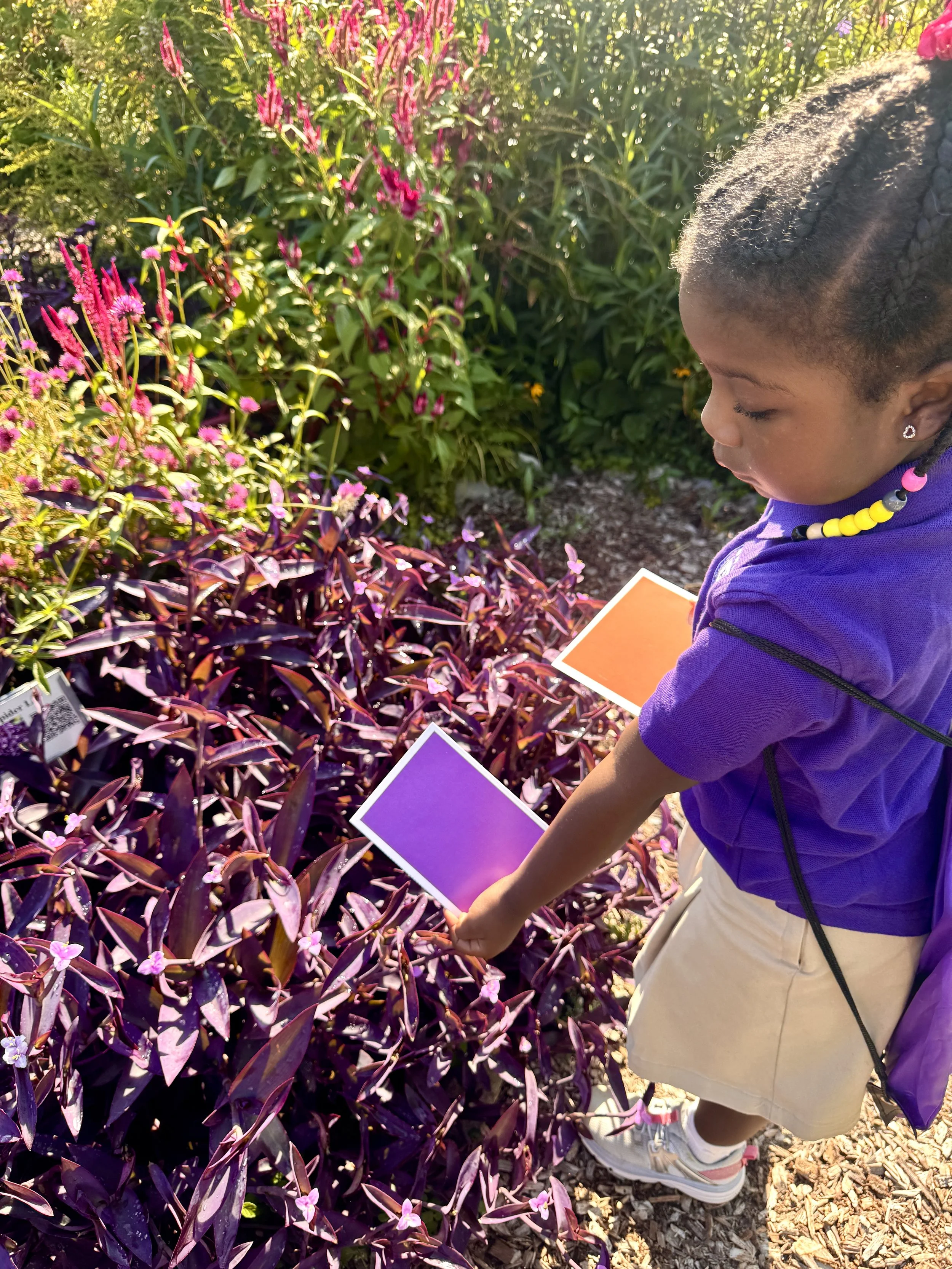
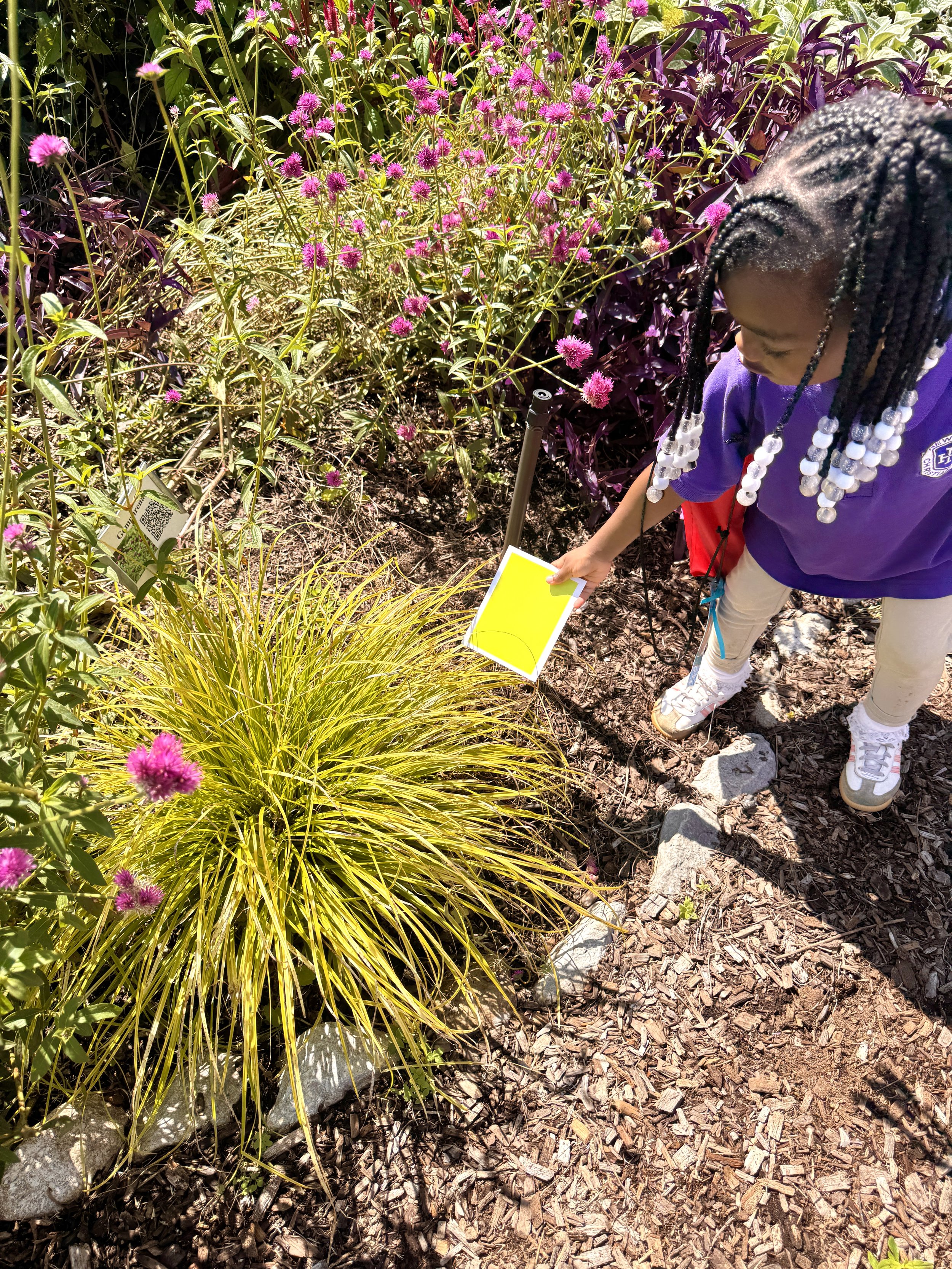
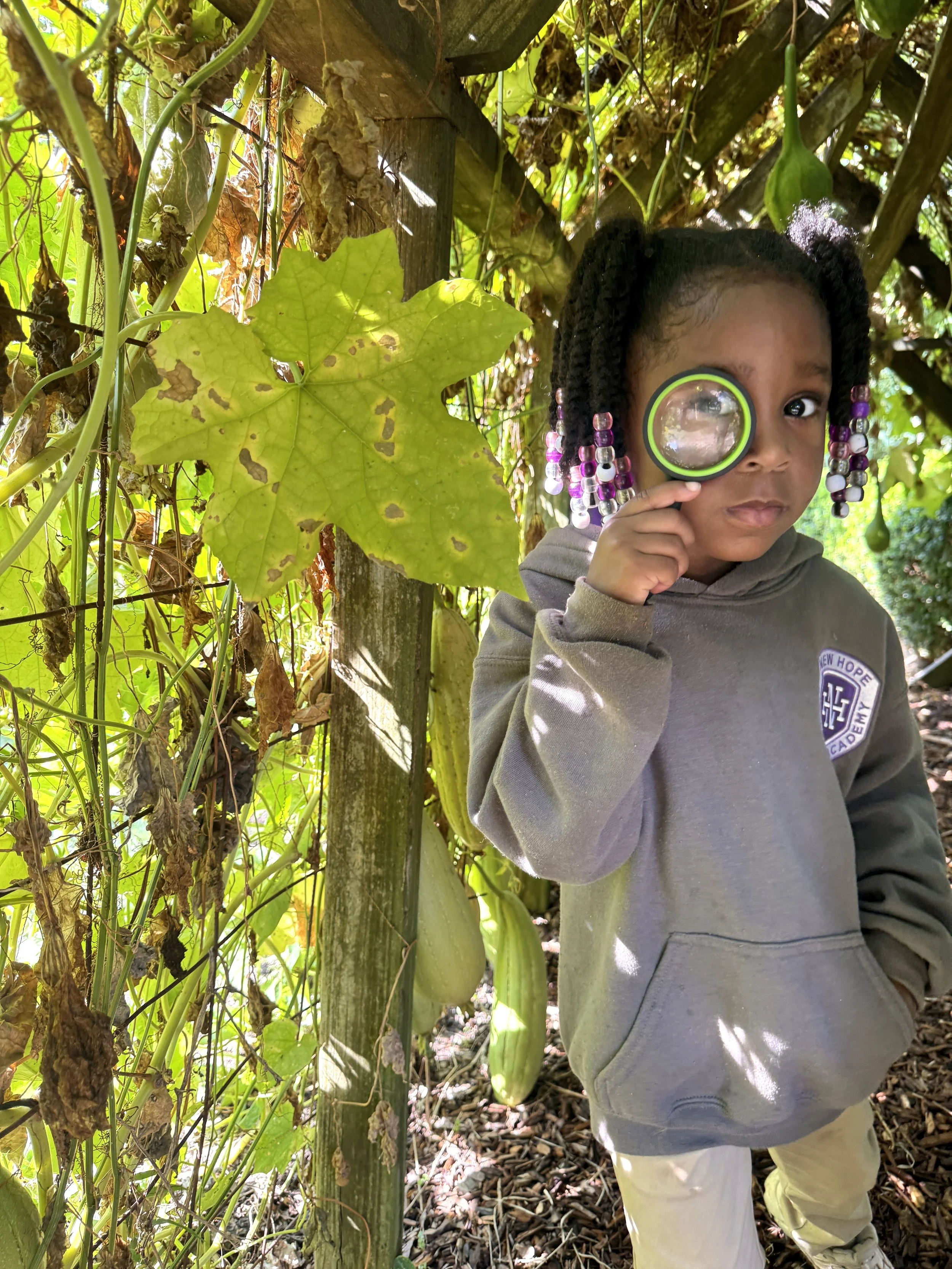
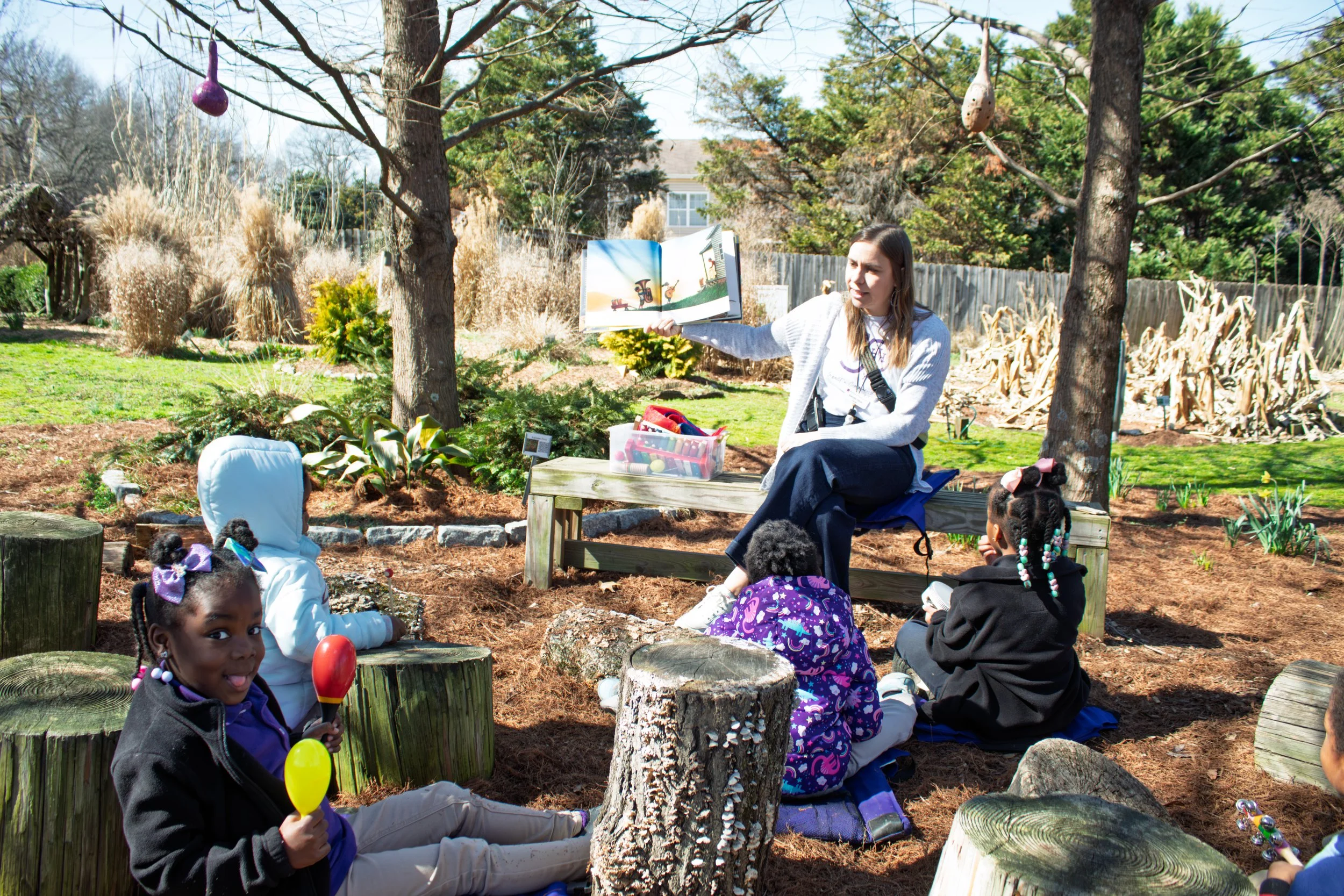
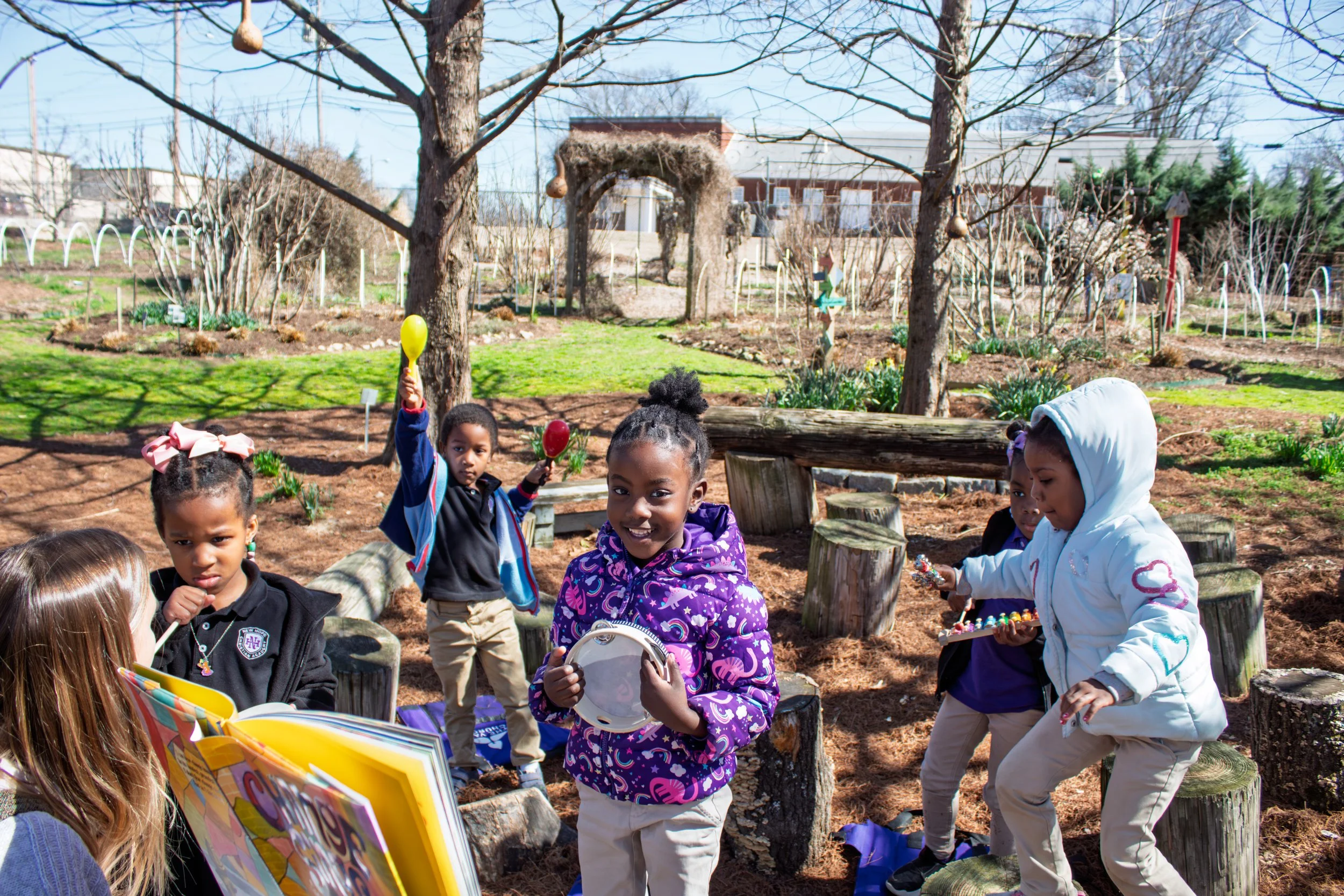
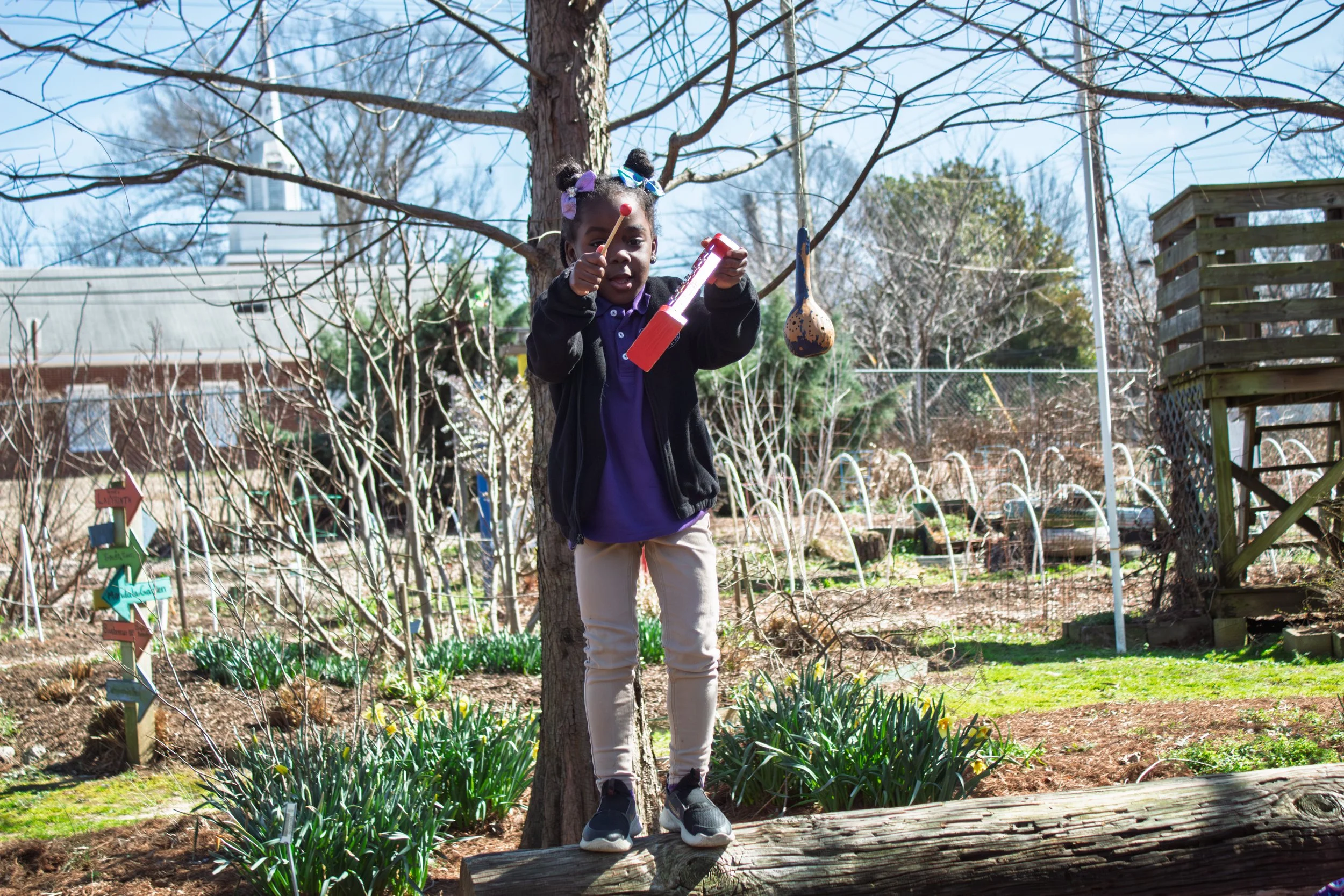
Imagine four-and five-year-olds leaning into lessons surrounded by birdsong, fluttering butterflies, more than 200 species of plants and a wide variety of vegetables. That is the reality for junior kindergarteners at New Hope Christian Academy, where one classroom is redefining what school looks like through a nature-based learning program.
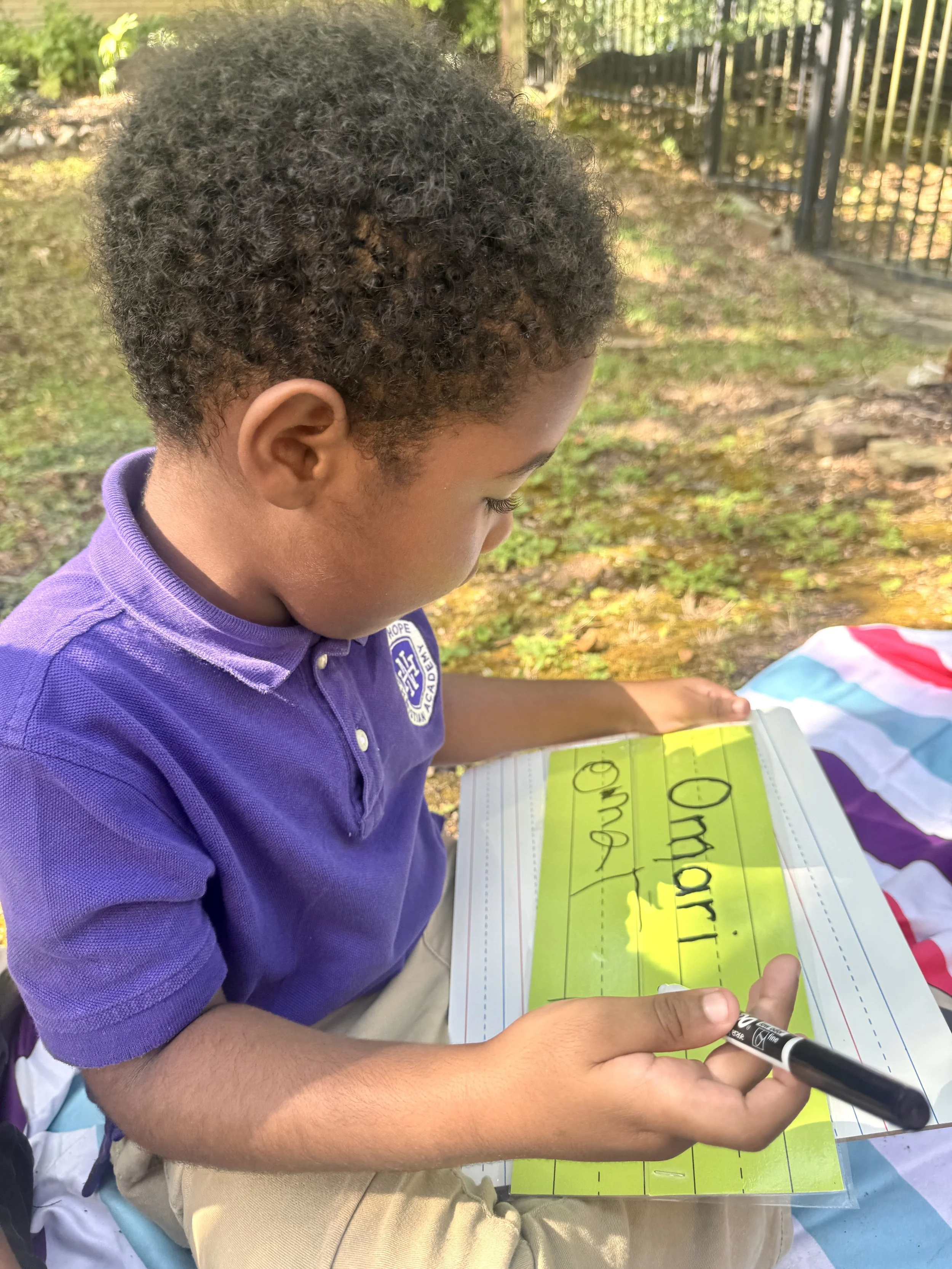
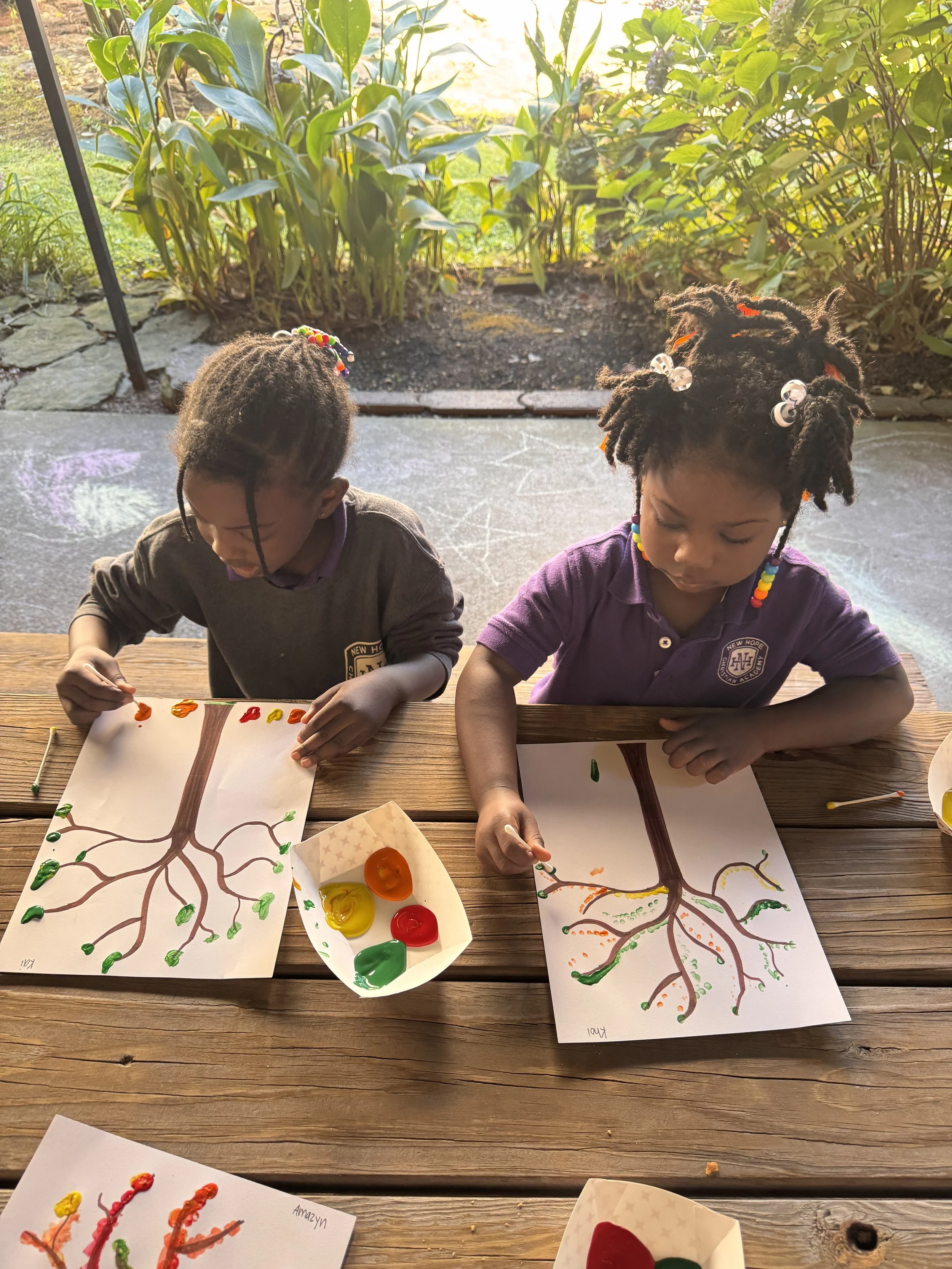
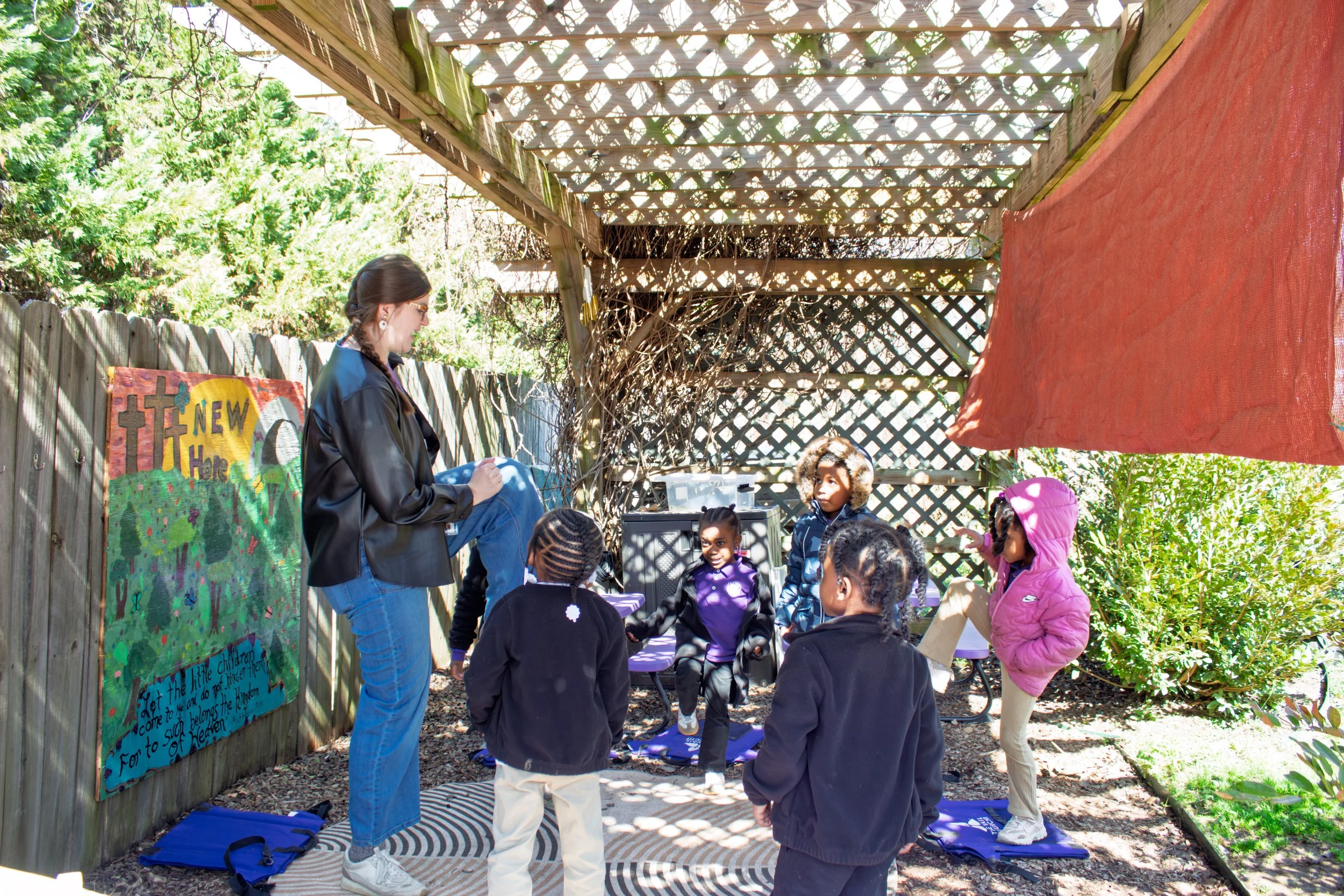
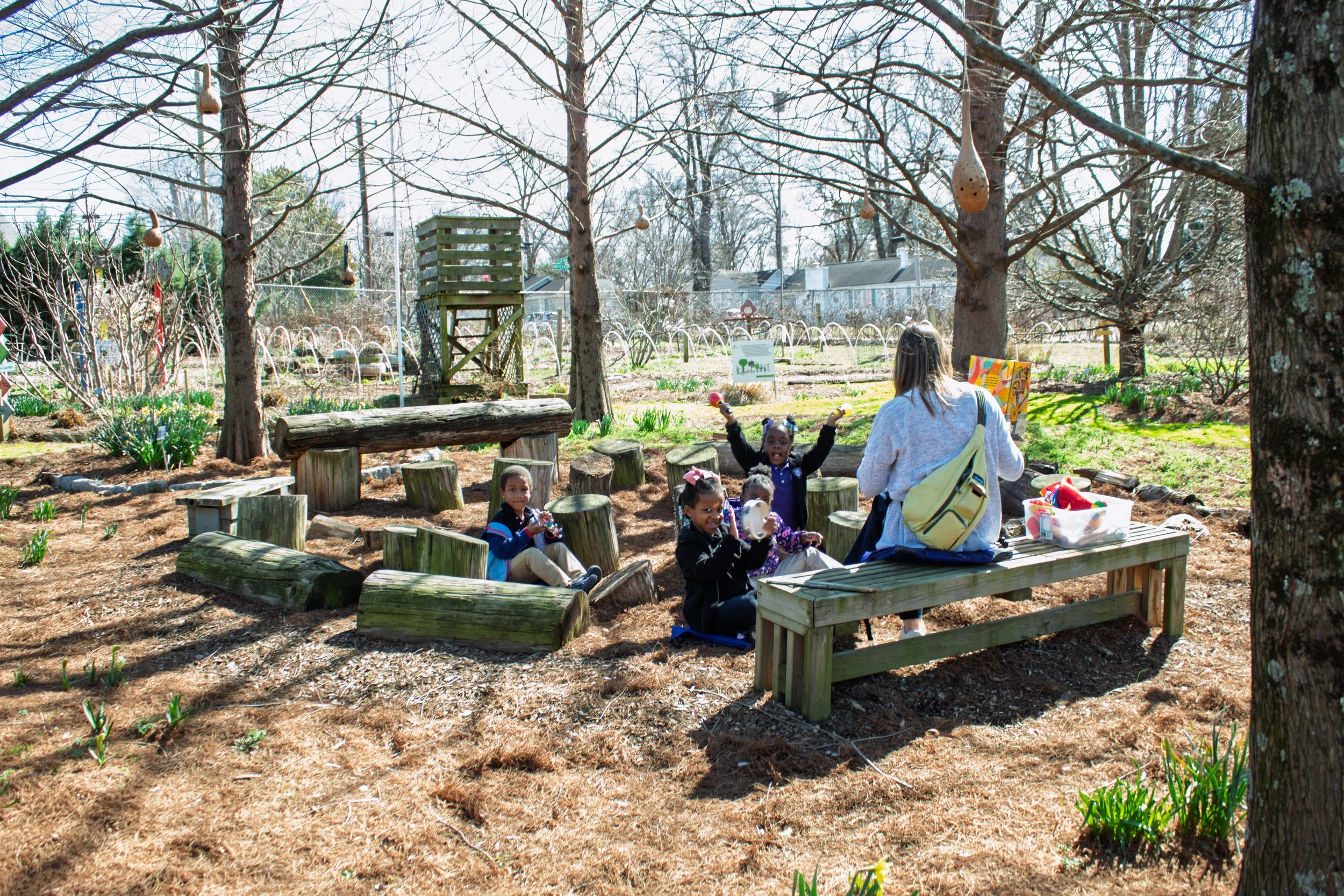
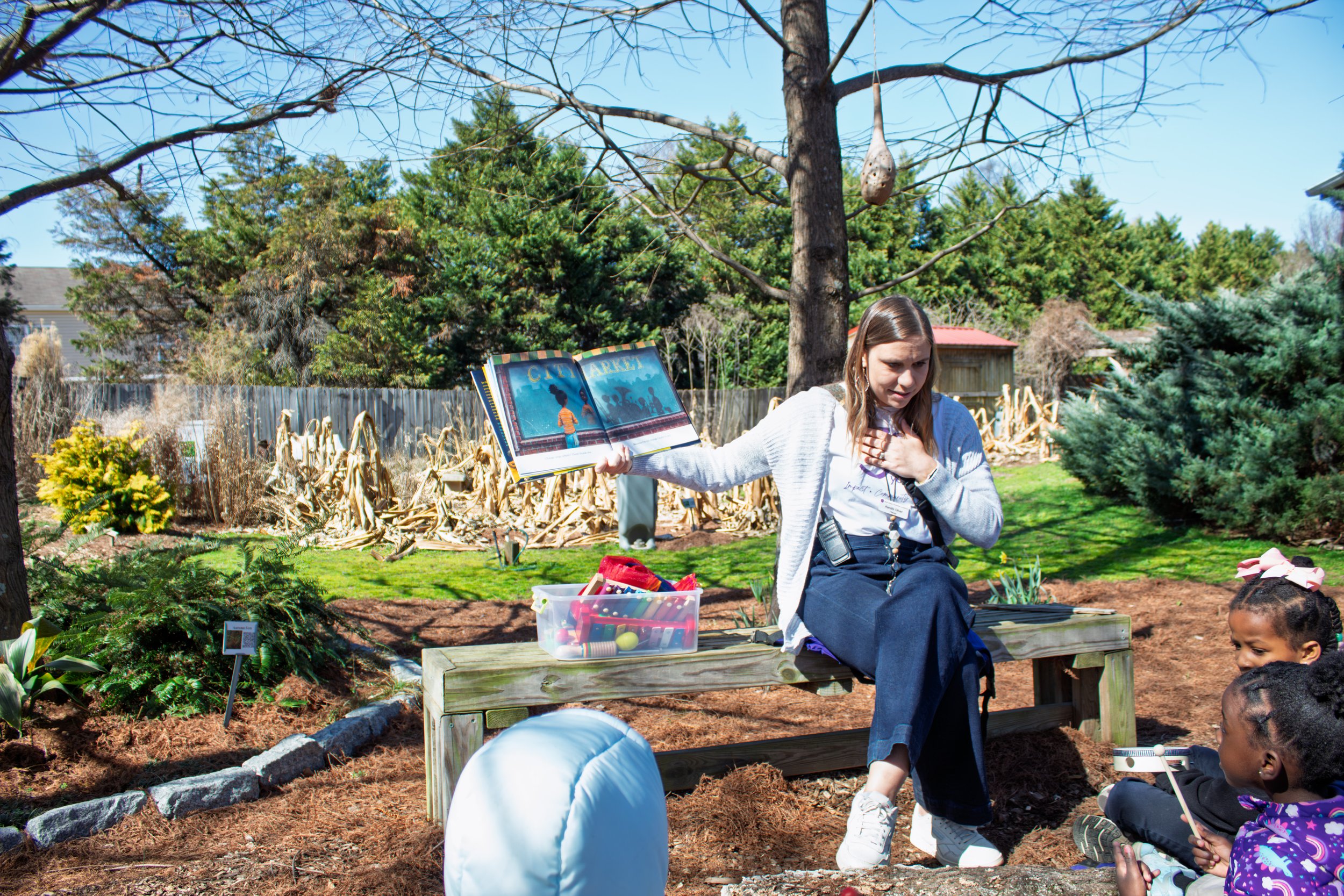
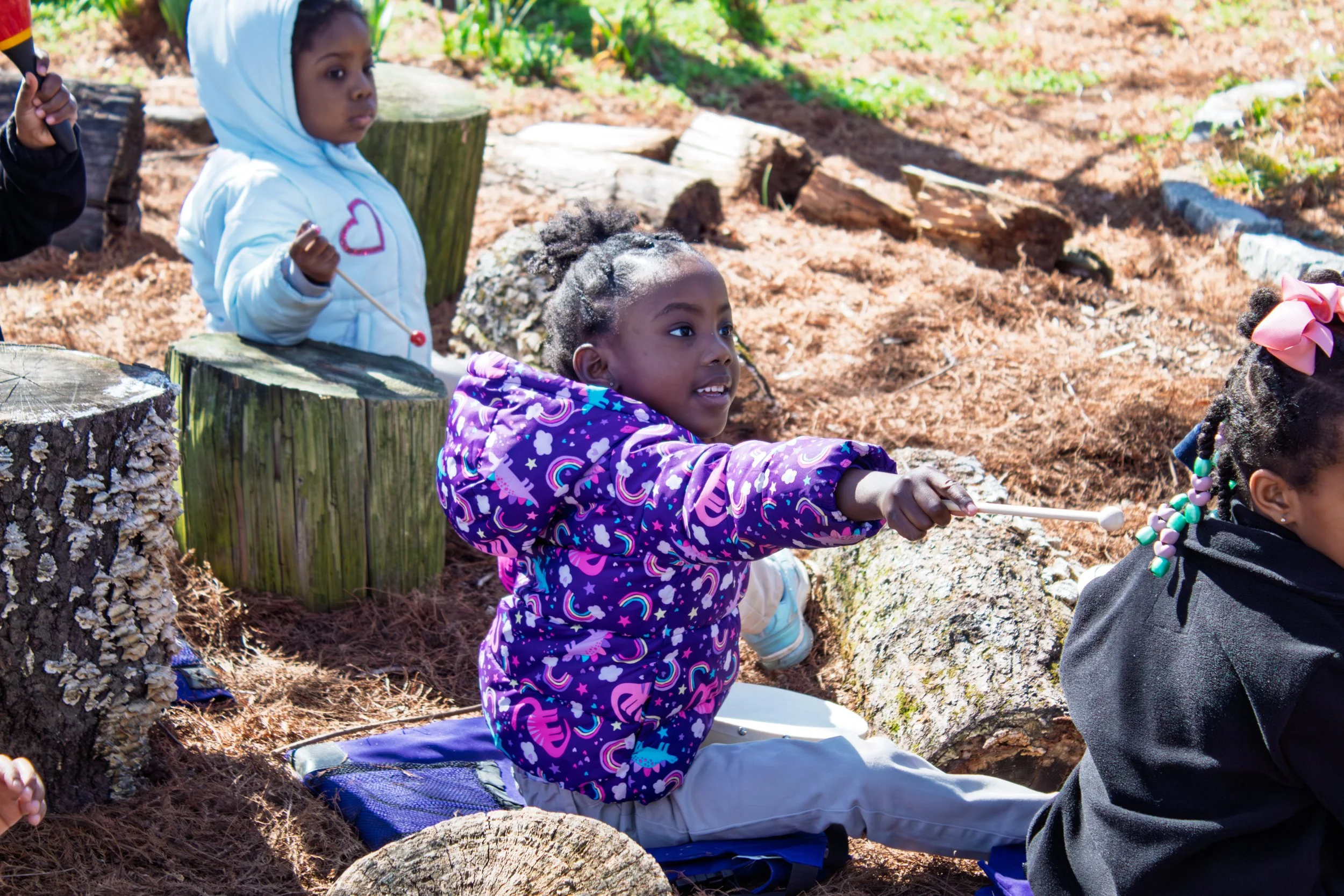
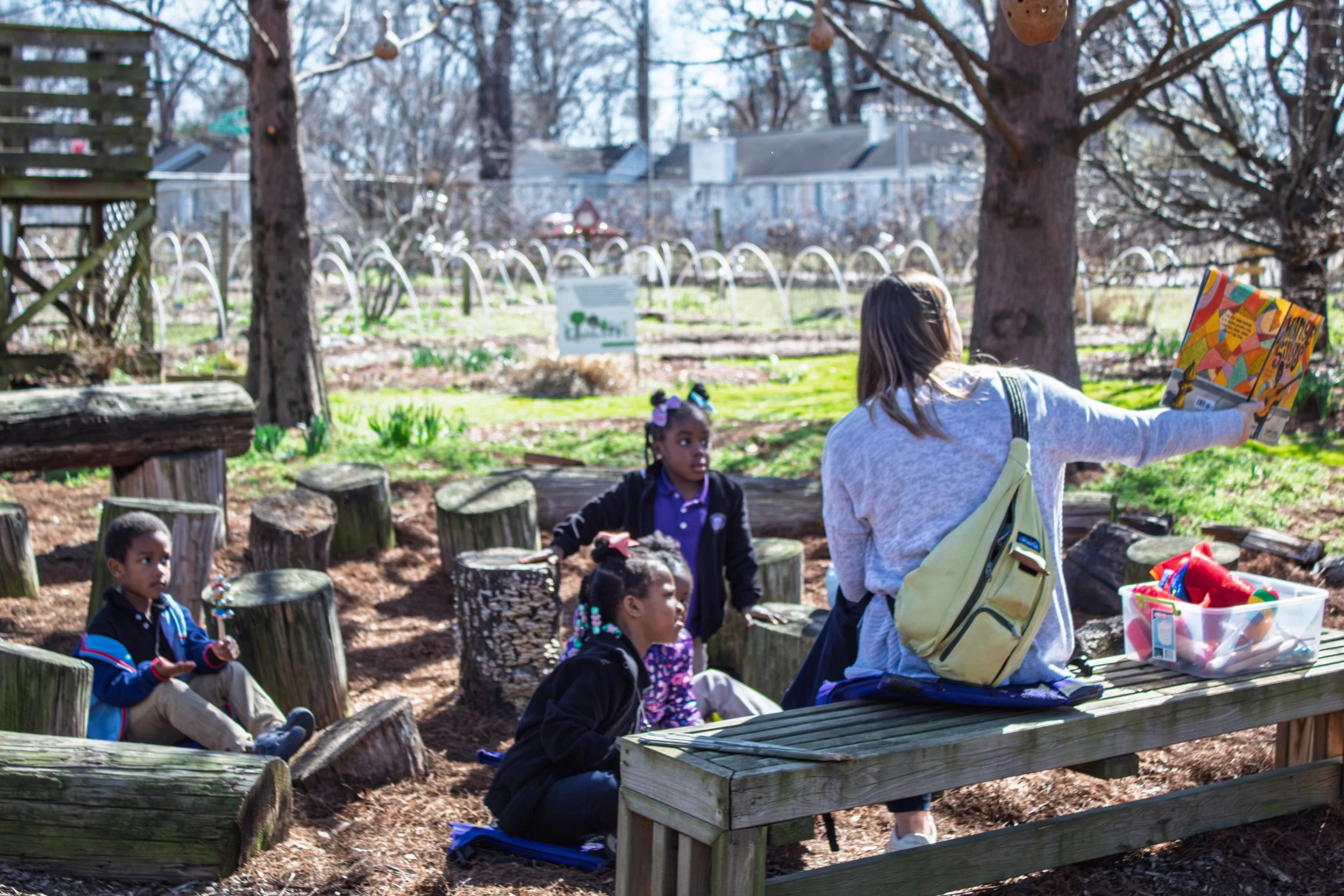
MEMPHIS, Tenn. – At New Hope Christian Academy (NHCA), the classroom has no walls for about two to three hours on a typical day. For students in junior Kindergarten, section 2 (JK2), NHCA's Urban Farm and Forest on campus has become the primary setting for daily instruction — and the results are turning heads among parents, educators and pediatricians alike.
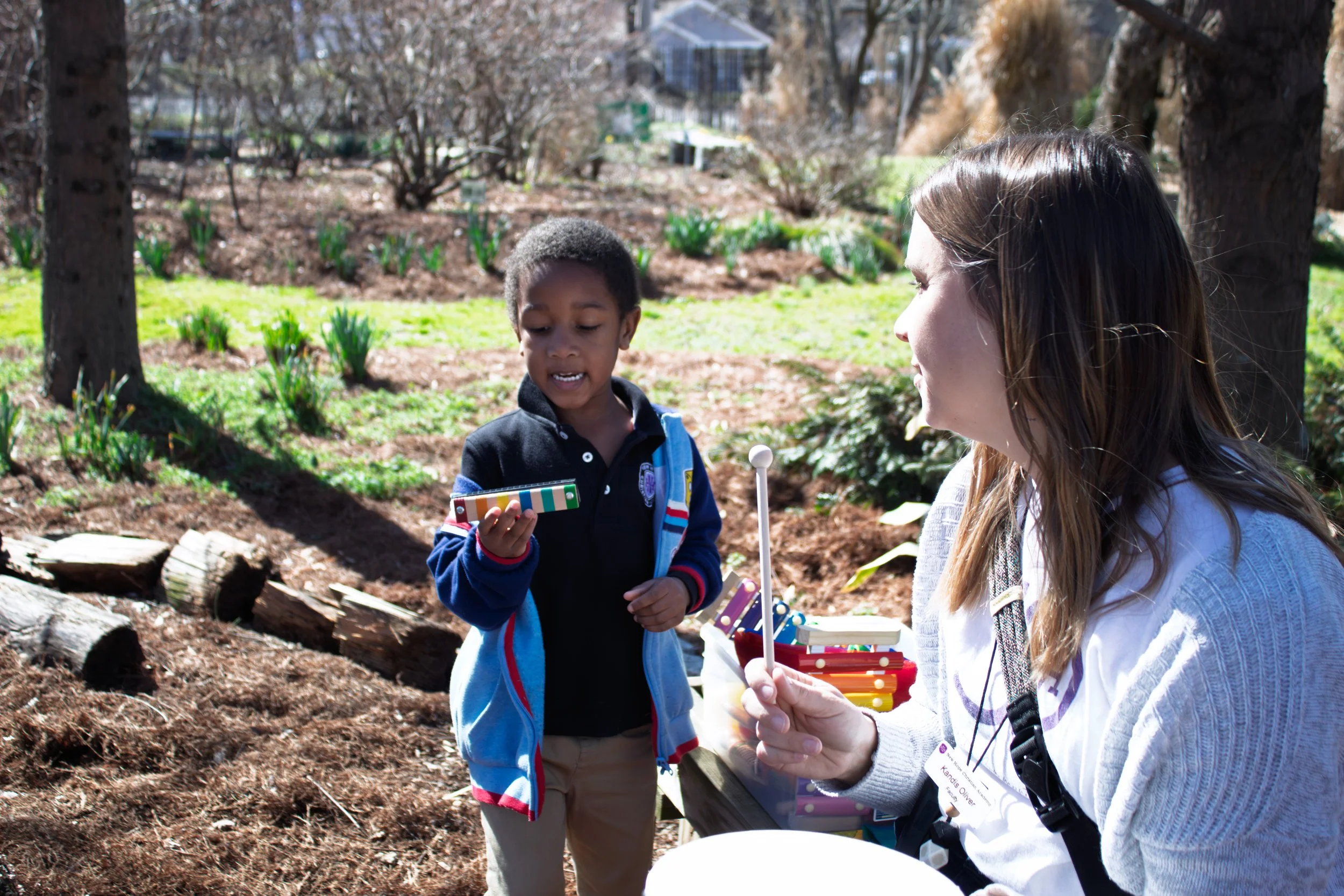
Kandis Oliver, junior kindergarten lead teacher and a five-year veteran at NHCA, has partnered with her co-teacher, Lizzie Barnes, to bring the full scope of the junior kindergarten curriculum outdoors. The class aims to spend two to three hours outside each day, blending structured academic lessons with student-guided exploration.
"Outdoor learning, or nature-based education, is an approach where students use the natural environment as the primary setting for direct instruction and for learning through play," Oliver said. "Instead of learning only inside a classroom and going outside only for recess, our students are able to spend hours each day exploring, observing and interacting with the world around them to deepen their understanding."
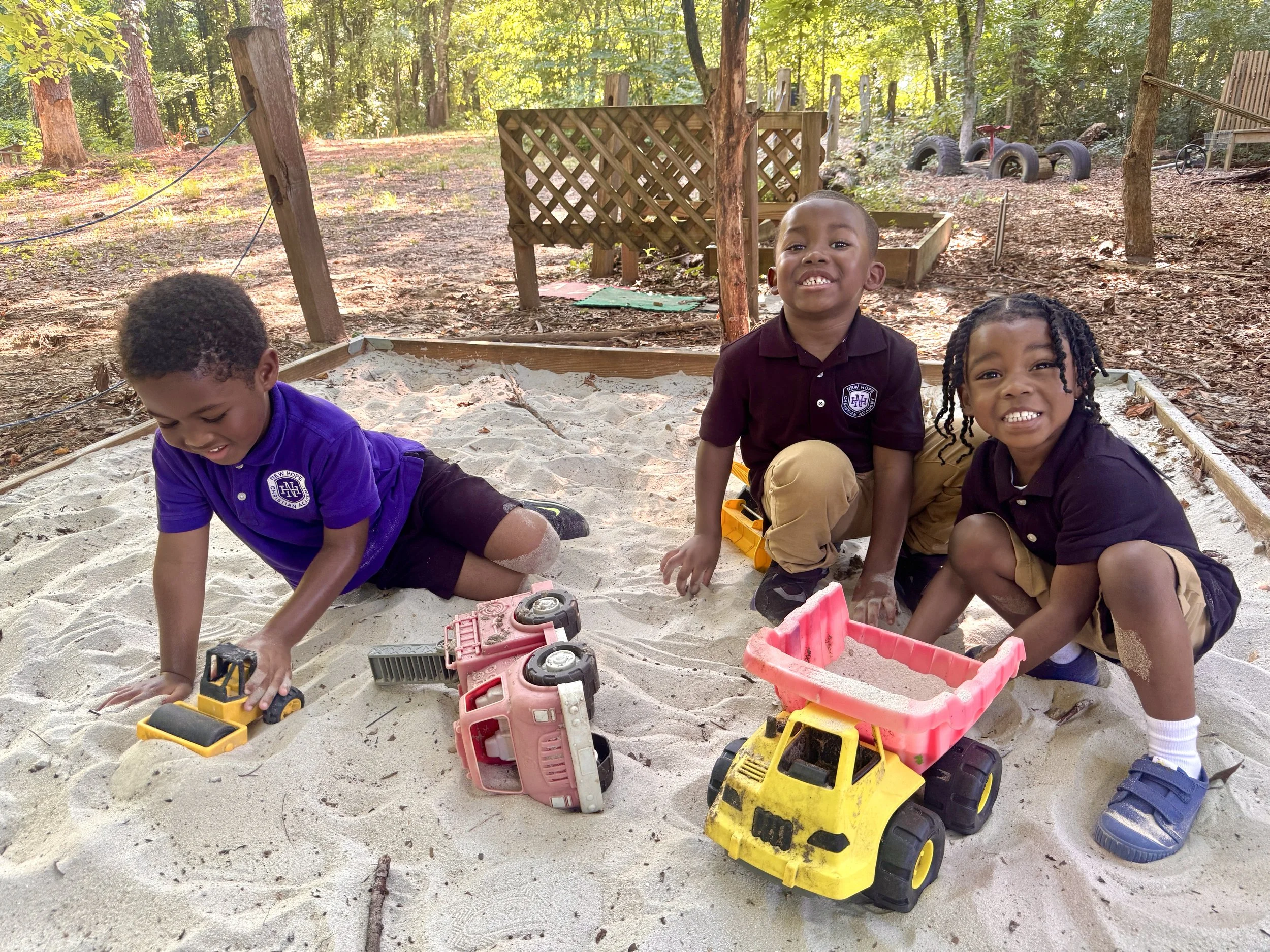
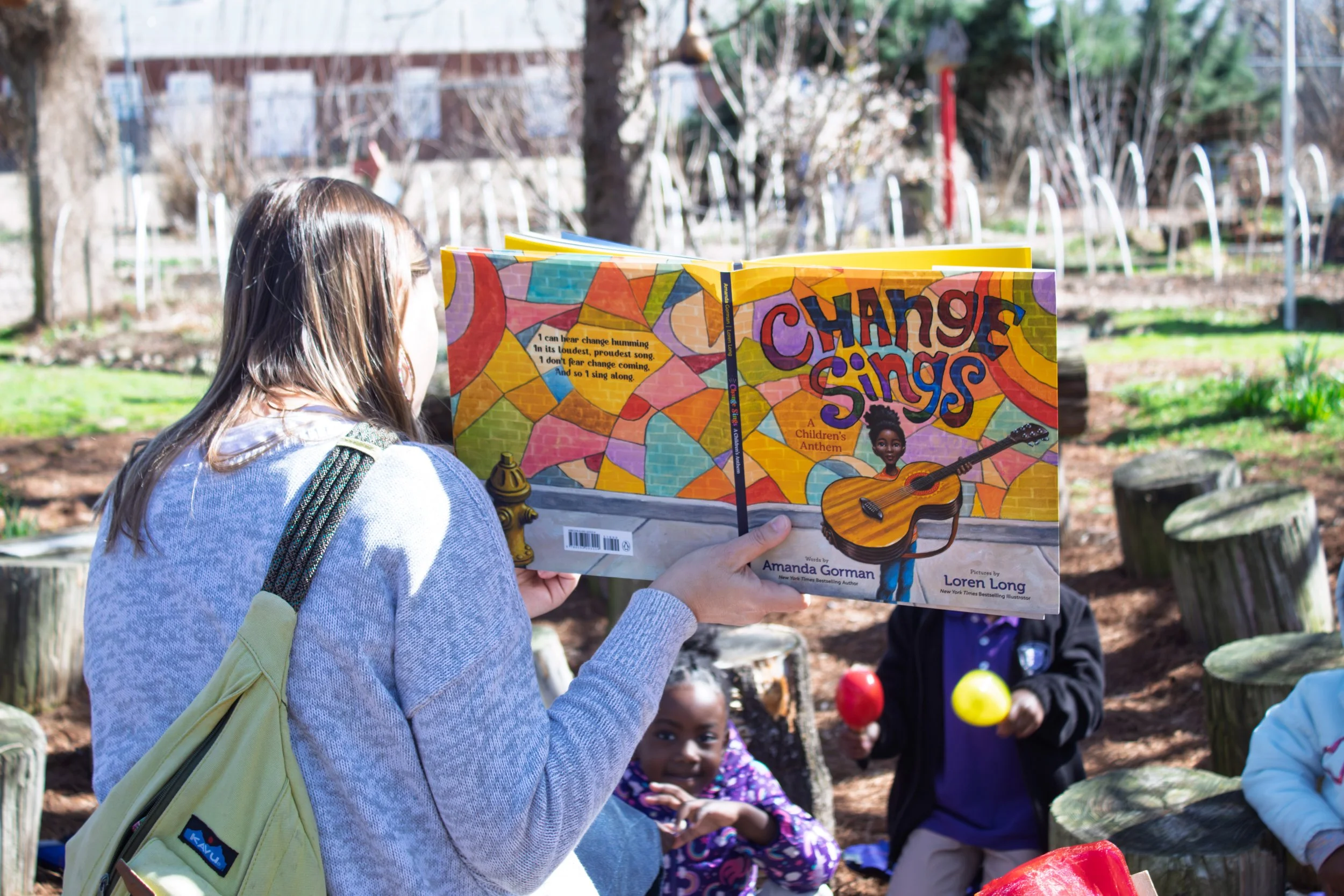
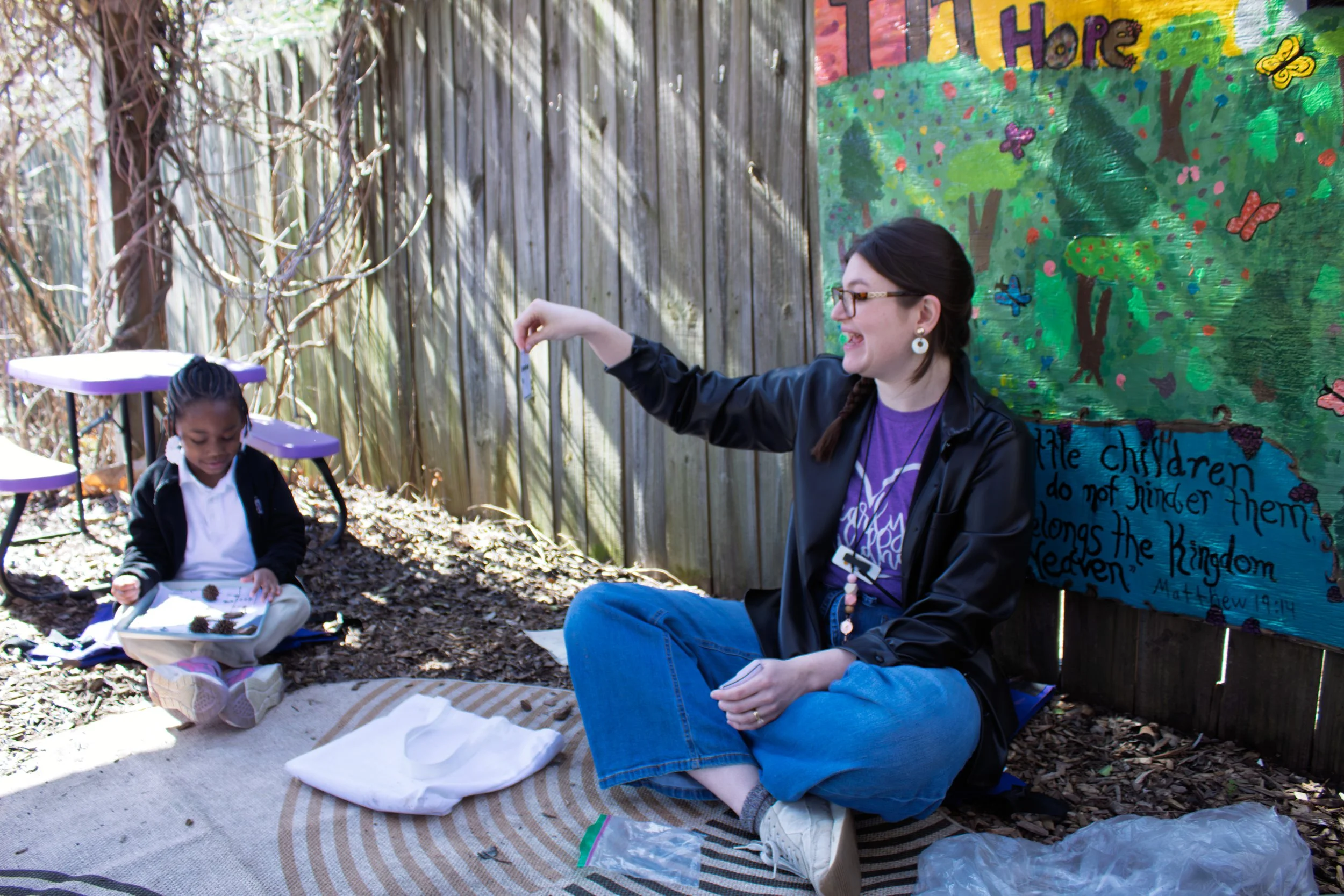
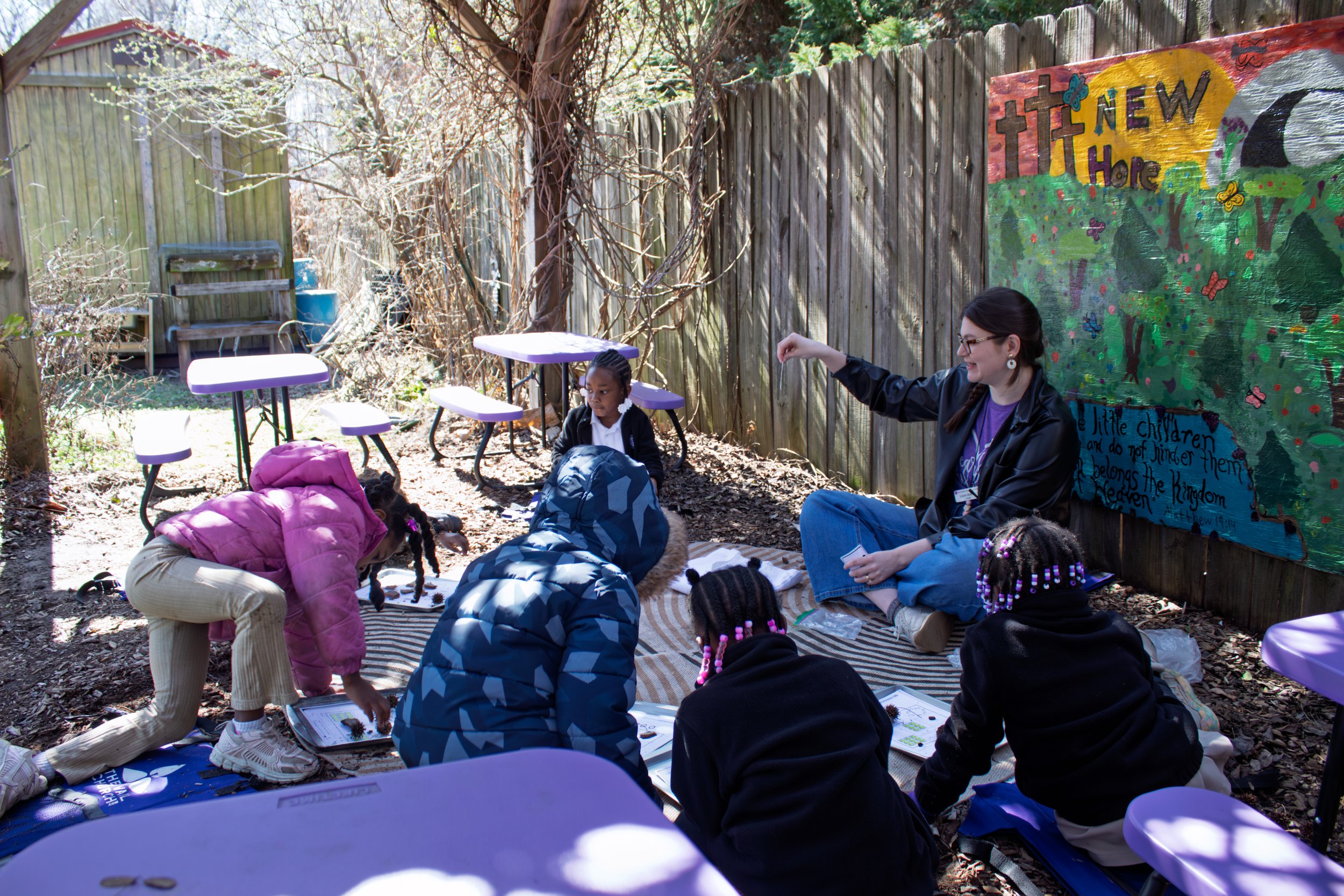
A typical day for JK2 students begins outdoors with Discipleship, a reflection of NHCA's commitment to integrating faith into every aspect of the school day. Outdoor instruction is then followed by structured curriculum learning in the Farm — an outdoor classroom the teachers have dubbed "the Treehouse" — and then free-play recess in the Forest. After lunch, students return to the Forest for center time, a more purposeful, structured play period, while simultaneously rotating through small-group learning at outdoor tables.
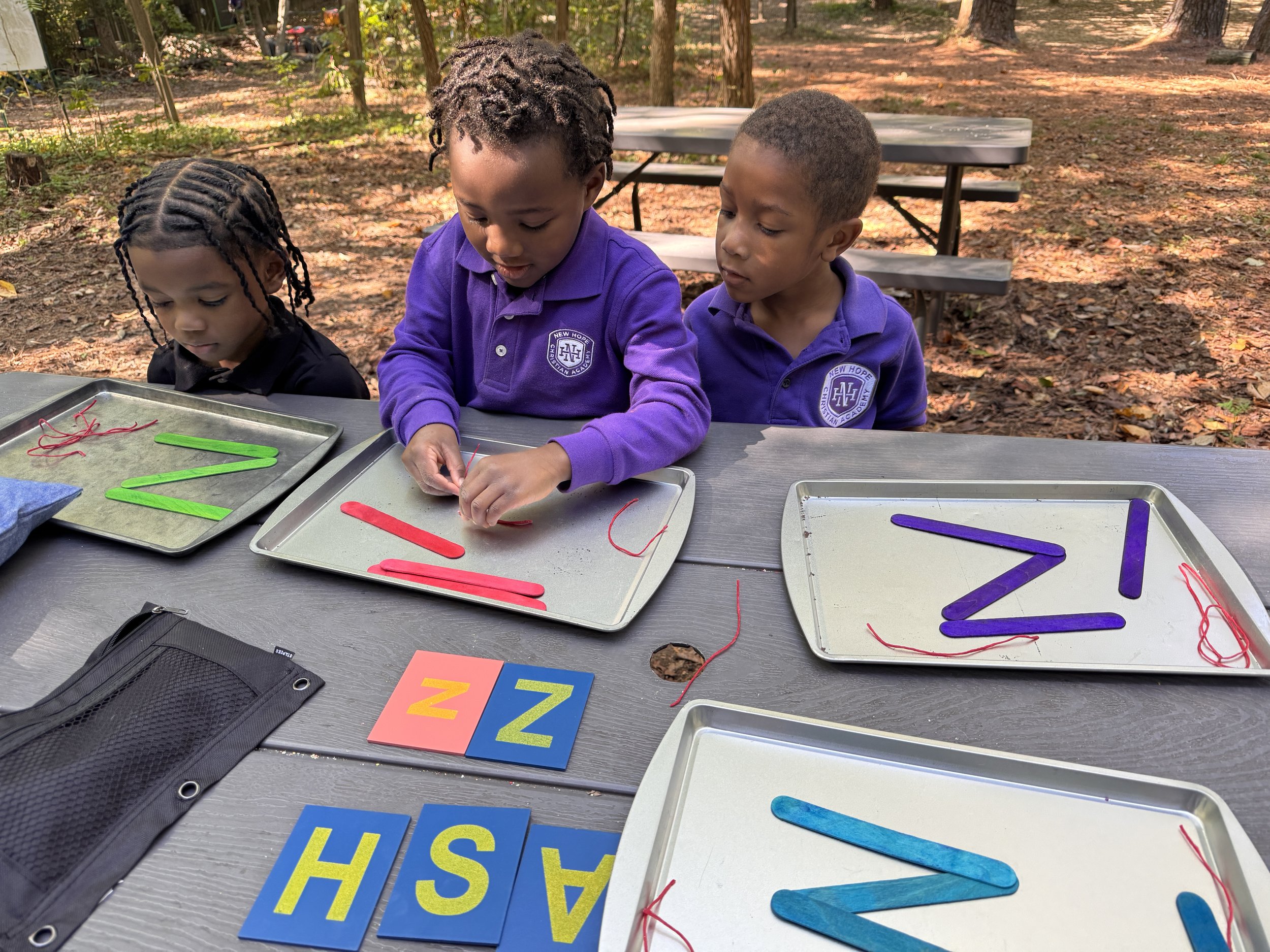
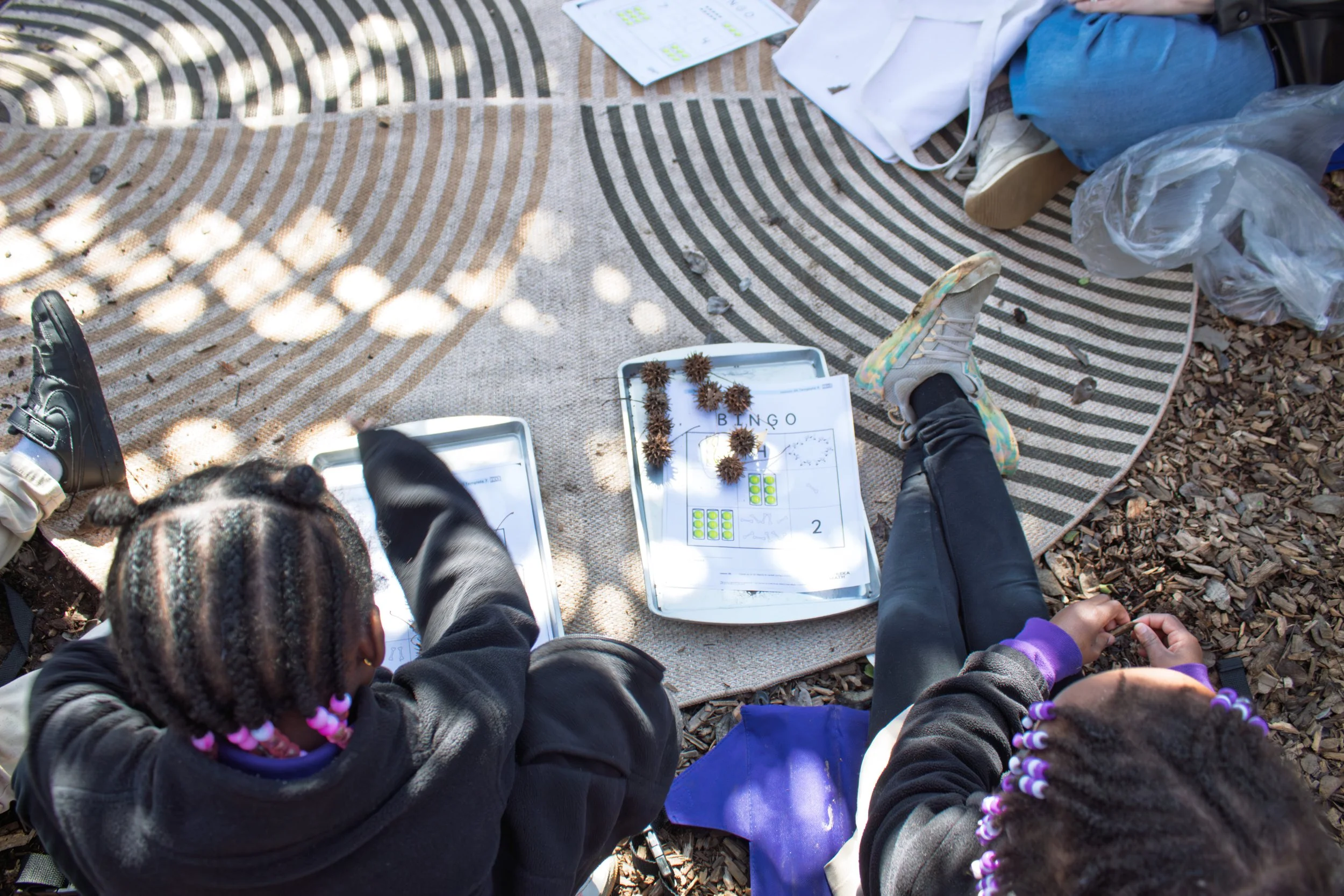
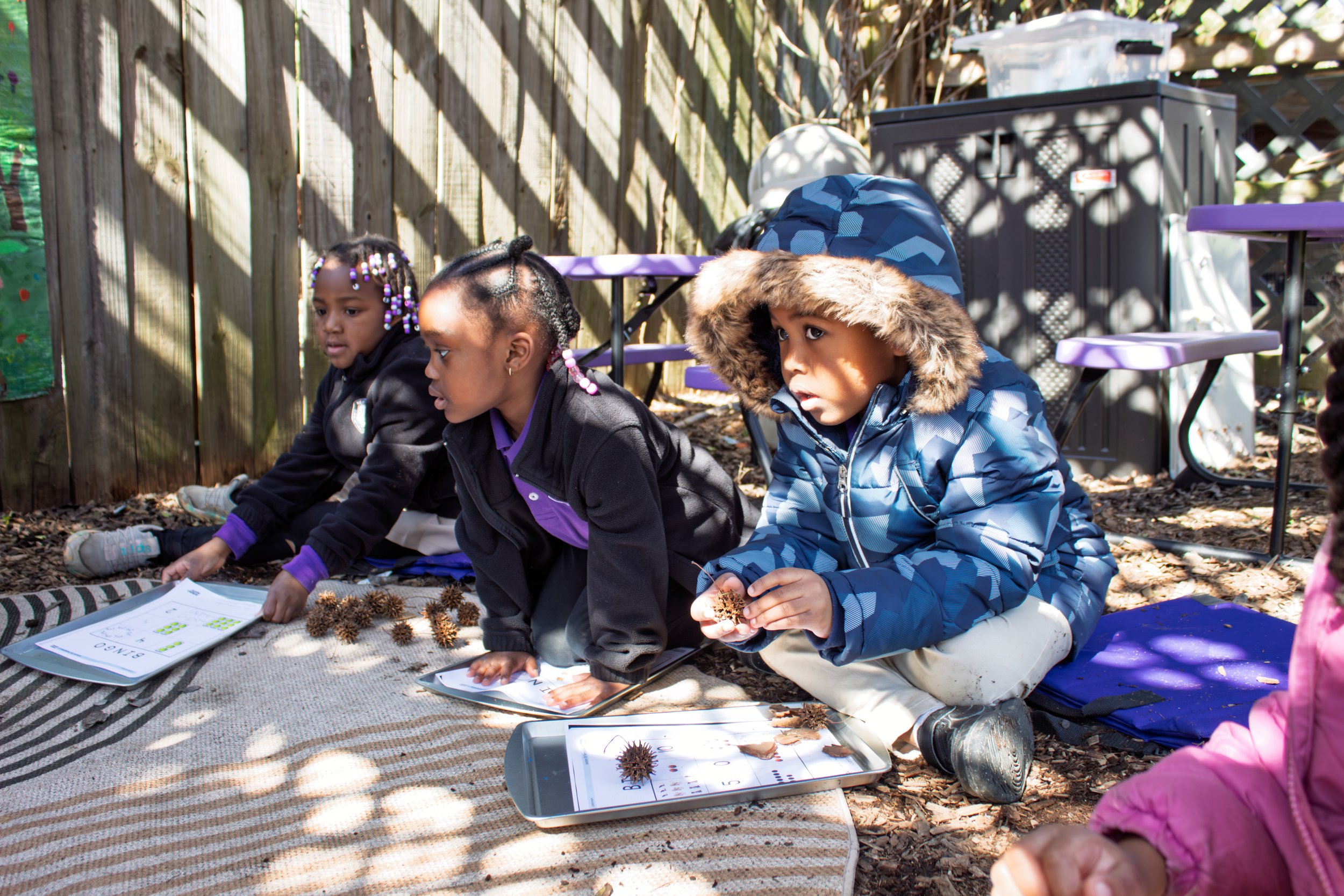
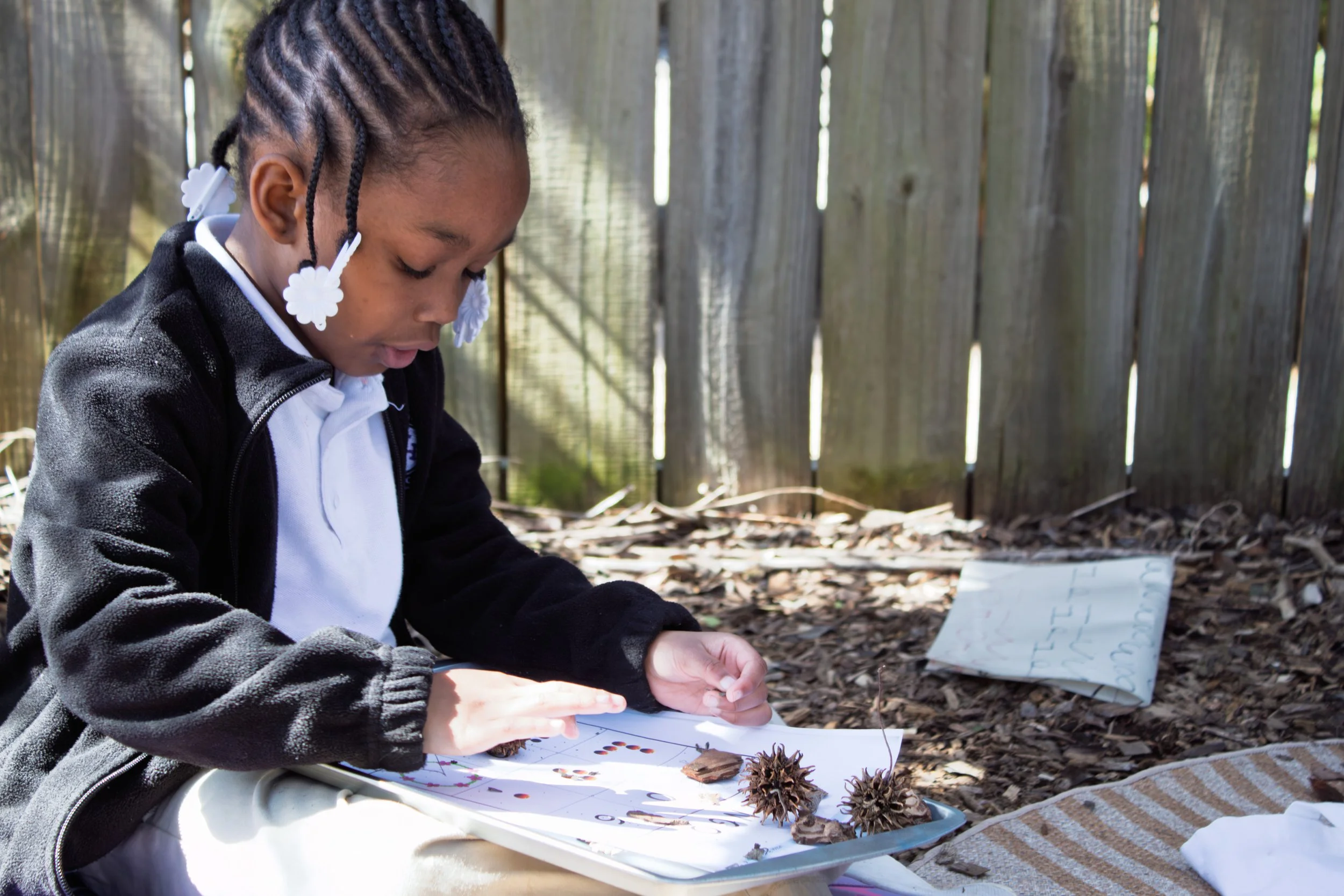
Oliver and Barnes divide the class to teach core subjects simultaneously. While one group works through language arts using the CKLA curriculum, the other engages in hands-on math activities — all outdoors.
"We are intentional about using natural materials like sticks, acorns or pinecones to help students physically see and manipulate numbers, quantities, patterns and shapes," Oliver said. "In language arts, being outside allows students to make connections and expand vocabulary development through real-world experiences."
Lessons are designed to connect academic objectives to the natural environment — an approach rooted in decades of educational research and philosophy. Nature-based education is not a new concept. Its roots trace back to Friedrich Froebel, who believed nature was essential to children's development, and Maria Montessori, whose philosophy centered on hands-on, experiential learning and connection to the environment. More recently, the "forest school" movement — which originated in Scandinavia and has since spread internationally — has formalized the approach, emphasizing independence, curiosity and resilience through learning in natural settings.
At NHCA, Oliver and Barnes do not follow a single packaged outdoor curriculum. Instead, they adapt existing junior kindergarten standards to fit the outdoor environment, often following the lead of the students themselves.
"Many of our best learning opportunities have been unplanned and unscripted," Oliver said. "When a child notices something in nature, asks a question and it turns into a meaningful, organic learning experience — those are the moments I love most."
The program runs year-round, with adjustments made for extreme weather conditions. While the academic benefits have been significant, Oliver said the growth she has observed in her students extends well beyond test scores.
"A huge change we've seen is their confidence in being outside, and how comfortable they are to explore and interact with nature," Oliver said. "At the beginning of the year, they were timid and afraid of bugs and dirt. But now, they jump right in with no reservations."
A survey of JK2 families revealed widespread growth across multiple areas, with parents reporting gains in confidence, vocabulary, independence, curiosity and social development. The feedback painted a consistent picture of children who are more engaged, more expressive and more eager to explore the world around them.
"Omari has come out of his shell this year and is much more confident," his mother said.
Kai's mother echoed that sentiment, noting an increase in her daughter's confidence, communication and independence. Amazyn's mother reported a significant boost in vocabulary and a growing knowledge of animals, while Erin's mother observed that her daughter has become more curious about how things work and is asking deeper, more thoughtful questions. Nova's mother noted growth in her daughter's social skills and her ability to recount stories about what she has experienced in the Farm and Forest.
For some families, the benefits have extended beyond the classroom and into their children's everyday lives. One parent described her daughter's growth in independence and curiosity, as well as her ability to learn comfortably in a variety of environments. Another parent expressed improvement in her daughter's sensory processing difficulties.
The most unexpected benefit came from a parent who shared that her daughter's asthma had improved significantly this year — a development her pediatrician attributed to her frequent exposure to the outdoors.
"It's been fun to see benefits that we hadn't even anticipated," Oliver said.
As of now, JK2 is the only class at NHCA intentionally focused on nature-based education. However, other classes at NHCA utilize the Urban Farm and Forest as a tool for hands-on learning.
For Oliver, the program is also deeply personal and spiritual. Teaching outdoors, she said, gives her and her students daily opportunities to appreciate and reflect on the world around them.
"Being outside with our class and seeing their curiosity and wonder reminds me to notice and appreciate God's creation and gives me opportunities to invite my students to praise Him for the wonderful things He has made," Oliver said.
For prospective families considering NHCA, Oliver offered a straightforward summary of what sets the school apart.
"New Hope truly values the whole child," she said. "Children are known, loved and encouraged to grow both academically and spiritually."
New Hope Christian Academy, which renewed its reaccreditation through the Southern Association of Independent Schools (SAIS) in winter 2026, serves students from pre-kindergarten through middle school, with seventh grade launching in the 2026-27 school year. Families interested in learning more are invited to schedule a specialized tour with the admissions team at newhopememphis.org.